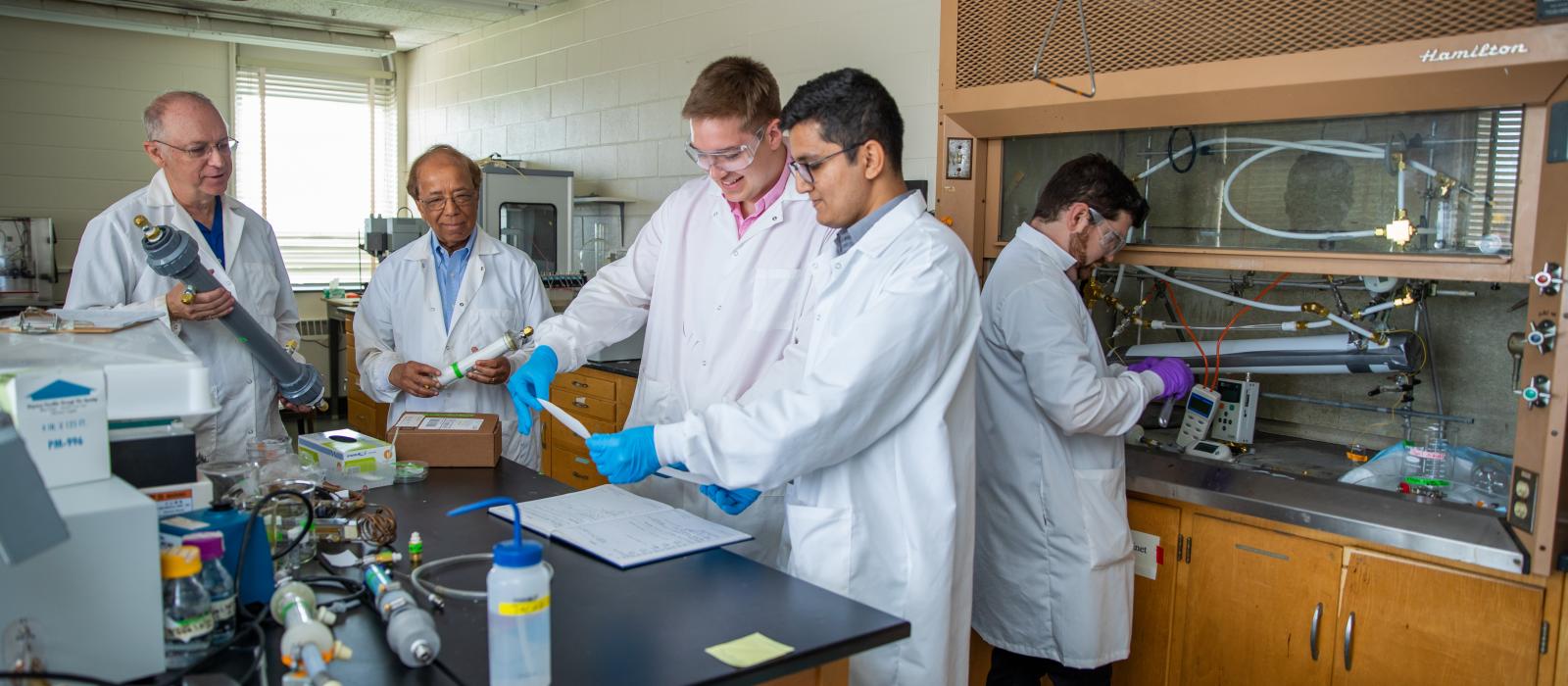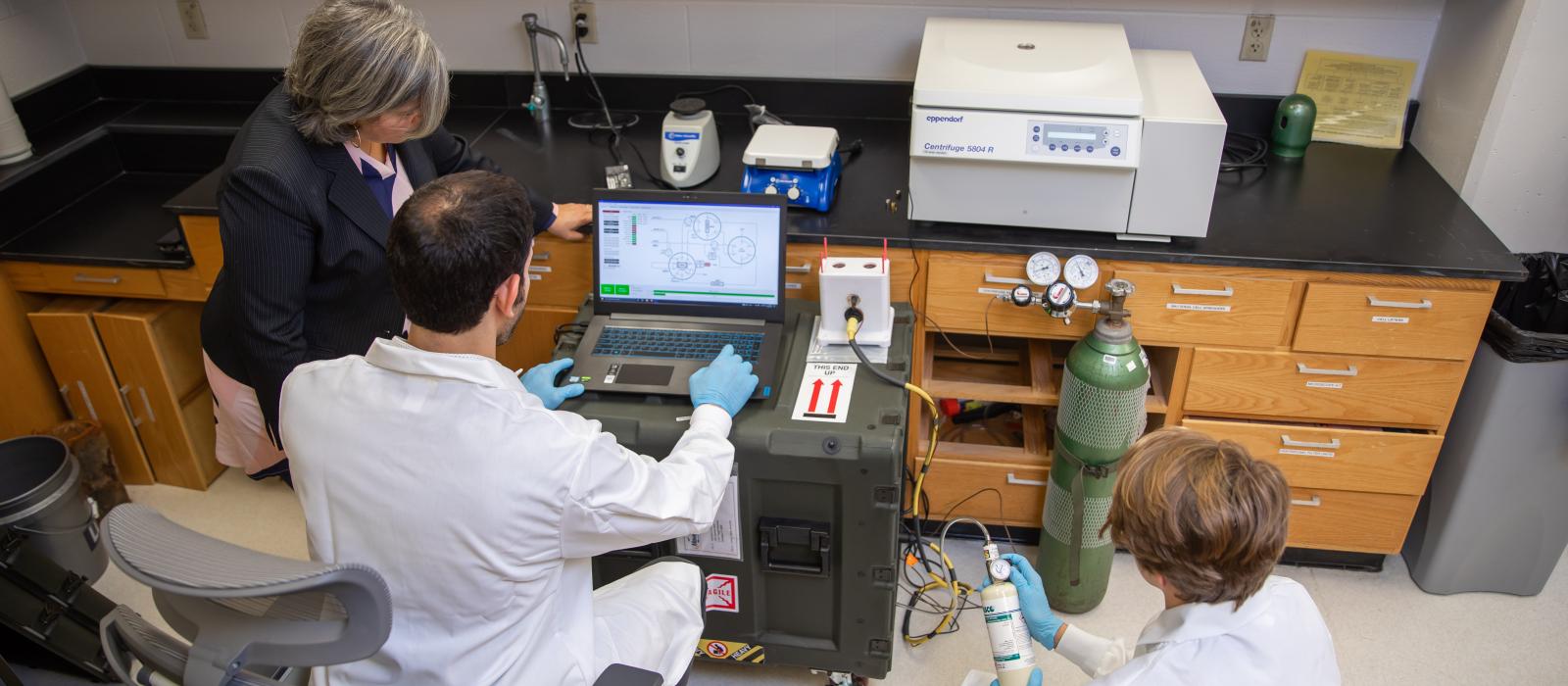
The University of Kentucky Superfund Research Center (UKSRC), funded by the National Institute of Environmental Health Sciences (NIEHS), integrates multidisciplinary research, training, and stakeholder engagement around a common theme: reducing health risks posed by environmental contaminants in communities. We investigate the impact of persistent halogenated organics (e.g. PCBs, PCE, TCE, and PFAS), aim to reduce the toxic effects of these chemicals, and seek to promote health equity in communities. UKSRC uses an intervention and prevention paradigm that fosters healthy lifestyles (i.e., healthful nutrition and increased physical activity) to reduce the disease risks associated with exposure to Superfund pollutants and designs engineered solutions to reduce exposures through innovative sensing, remediation and fate and transport science.
UKSRC leverages the expertise of prominent and promising scholars who bring diverse disciplinary perspectives to the challenges that are central to our goals. It is deeply committed to achieving research excellence and to improving science, policy decision-making, and to working in partnership with our community stakeholders to promote health and well-being of the people living in the Commonwealth of Kentucky and beyond.
March 9, 2023
Details of contamination remain murky as the town begins what could be a long remediation period.
March 9, 2023
A recent National Institute of Environmental Health Sciences’ (NIEHS) Environmental Health Chat podcast features an NIH-funded study that brings together multiple UK colleges and community partners to tackle real-world environmental health challenges.
March 3, 2023
Kelly Pennell, Director of the University of Kentucky Superfund Research Center (UKSRC), and Professor of Civil Engineering, along with Angela Gutierrez, UKSRC liaison, and Elena Moseley, a high school student enrolled in the Math Technology Science Center (MTSC) at Paul Laurence Dunbar High School in Lexington who works in Pennell Research Group, represented UKSRC at the University of Kentucky College of Engineering's annual open house, E-Day on Saturday, February 25, 2023.