Did you ever wonder how long it takes to plan a dance marathon? An entire year – 365 days to be exact.
"We begin planning almost immediately after the marathon is over," Clay Stanley, 2012 DanceBlue overall chair, said. "We debrief about what went well, what didn't work out like we wanted and begin advertising for leadership positions for the next year's marathon."
DanceBlue is a 24-hour, no-sitting, no-sleeping dance marathon at the University of Kentucky to raise money for the Golden Matrix Fund. The Golden Matrix Fund benefits cancer research, children with cancer and their families at the UK Pediatric Oncology Clinic.
DanceBlue originated in 2004 when a forum was led by Jennifer Mynear about the possibility of starting a dance marathon at UK. Mynear's son, Jarrett died at the age of 13 after an 11-year battle with cancer. Leadership groups around UK's campus were inspired to recruit organizers for this new cancer-fighting campaign, and they were met with tremendous support. Organizers found a welcome home for this new event at the UK Center for Community Outreach.
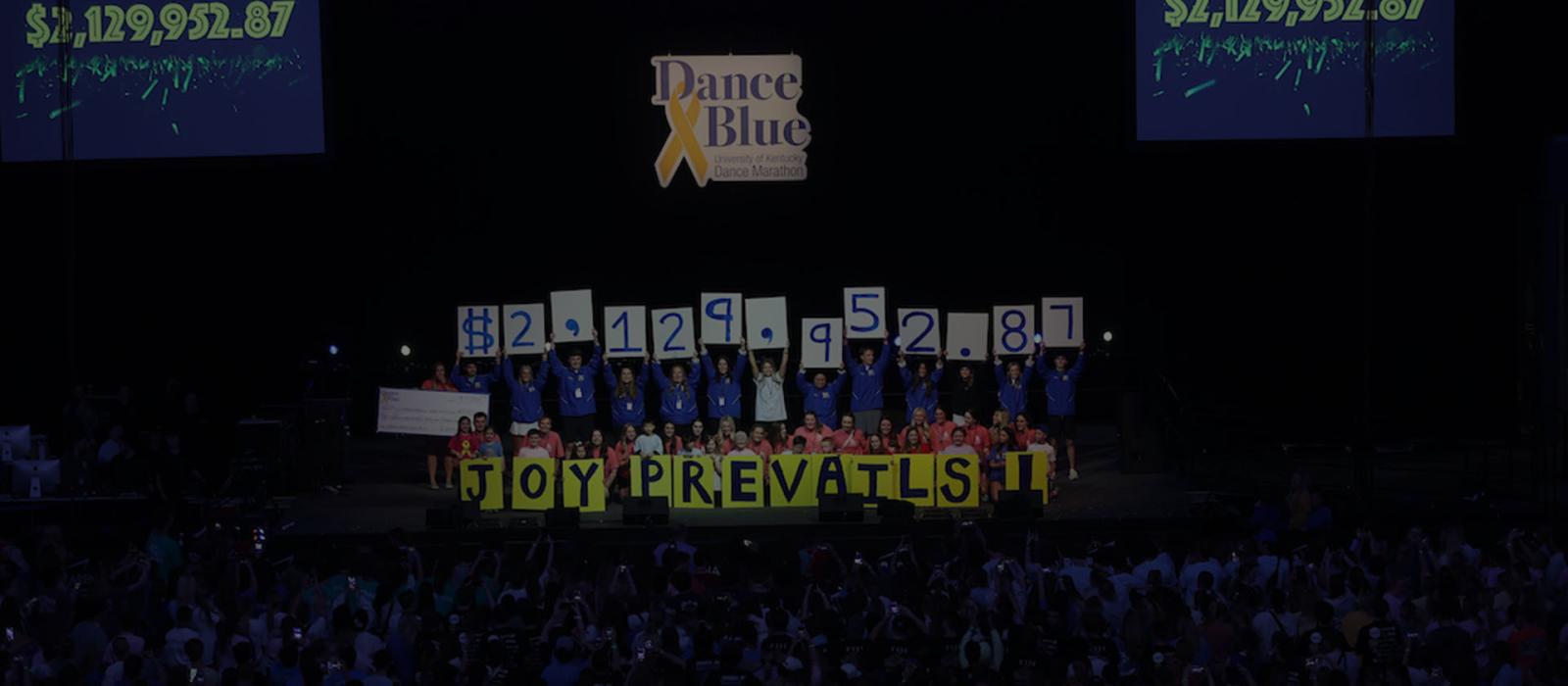
The first DanceBlue marathon took place in February 2006 with more than 30 student organizations and 180 dancers. The marathon raised $123,323.16 for the UK Pediatric Oncology Clinic. That year, DanceBlue broke all fundraising records for a first-year dance marathon event. It became the most successful student-run philanthropy event in UK's history and has continued to grow over the years. Since the first marathon in 2006, DanceBlue has raised more than $2.6 million for the UK Pediatric Oncology Clinic.
While many people are familiar with the actual dance marathon, few are aware of the incredible impact DanceBlue has on the clinic itself. The funding from DanceBlue has contributed to increased research as well as an increased staff size at the clinic. Barbara Waldmann-Ward, a nurse at the clinic, has seen the transformations that DanceBlue has helped make.
"When I started in 1982 we had two physicians, one nurse coordinator, one research nurse and one lab technician," Waldmann-Ward said. "Now we have six physicians, six nurse coordinators, two research nurses, three social workers and of course the clinic staff of six registered nurses. We are also fortunate to have our own pharmacist and pharmacy tech. We have our own clerk that does all the scheduling of patients, for the numerous scans, appointments with other specialties and keeping up with all the insurance policies. DanceBlue has been an important part of our growth."
Funds from DanceBlue also go toward the Late Effects Clinic which allows physicians to do long term screening of patients. Some families travel to the clinic for treatment on a regular basis for over three years, the average length of treatment for some leukemia protocols. Unfortunately, even after such extensive treatment, there can be lifelong side effects that stay with patients. Being able to follow up with patients in the Late Effects Clinic years after their treatment helps them lead normal lives.
"Often times when people talk about DanceBlue, they mention the impact that the organization has made on the clinic," Logan Sparks, public relations chair, said. "But we, as students who are involved with DanceBlue, are thankful for the impact that the children and families at the clinic have made on our lives."
DanceBlue 2012 kicks off its seventh year at 8 p.m. Friday, March 2, in Memorial Coliseum. This year looks to be the largest event yet, and each person involved with DanceBlue has a special reason that they decided to dance for the kids.
"I am grateful for the opportunity to make a difference in the lives of the children at the clinic," Stanley said. "I am thankful for a campus community that, for one weekend, can put all differences aside and rally together for one cause. There's something about DanceBlue that touches the heart of every Wildcat and for that, I am thankful."