
Welcome to Kentucky's Office of the State Entomologist Who We Are | What We Do
While most State Entomologists offices are associated with Departments of Agriculture in their state, our office is located at the University of Kentucky. The State Entomologist for Kentucky is also the Chair of the Department of Entomology. The State Entomologist is also the State Plant Regulatory Official (SPRO) for the state of Kentucky.
Our office is responsible for the licensing of businesses and individuals that buy, sell, ship, or distribute nursery stock for commercial or monetary gain in Kentucky. This would include, but is not limited to, nurseries, garden centers, and landscapers. We conduct inspections of nurseries and assist nursery owner/managers with their pest problems.
We conduct inspections for phytosanitary certification for the export of plant and plant products for both international and interstate shipments. We also work with a variety of federal, state, and local agencies to conduct surveys for exotic pests and develop management strategies for them.
Licensing Information

If you deal with plants or plant material, such as a nursery, garden center, landscaper, sod producer or perennial grower, in Kentucky then you are required to have a nursery or nursery dealer license!! This license is above and beyond a business license.
Certifications
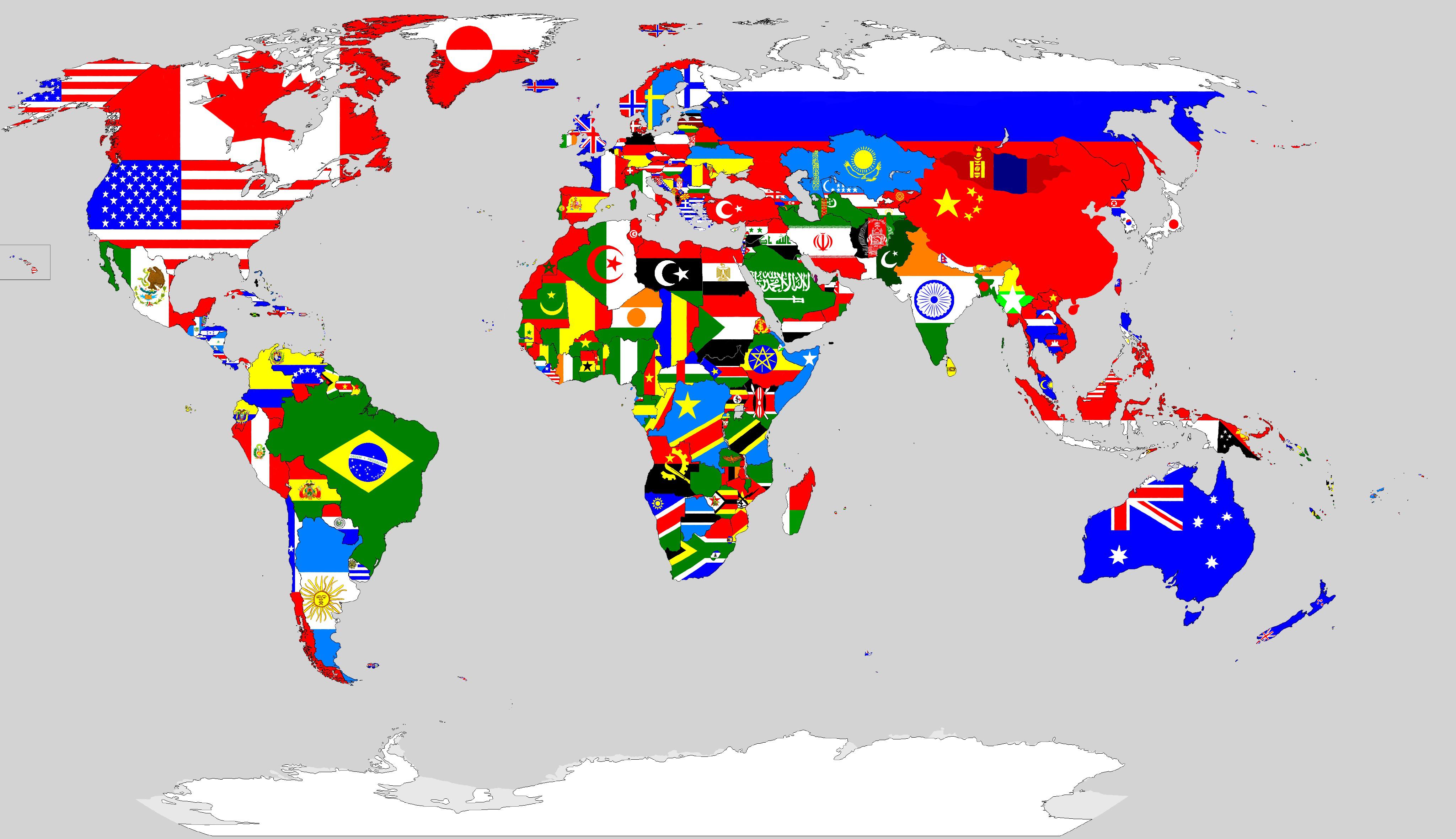
Shipping plant or plant products out of Kentucky, internationally or domestically?
Bringing plant or plant products into the USA?
Certificates and Permits may be required!
Invasive Pests
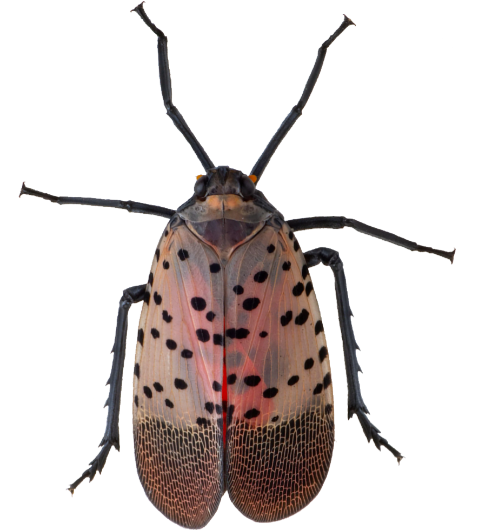
As the United States continues to expand its export markets around the world and increase the variety of agricultural commodities it imports, the U.S. has a greater chance to bringing in unwanted pests such as the Spotted Lanternfly and Asian Longhorned Beetle.
State Survey Information

For our Surveyors: A landing page to all resources needed to complete your work.
For the General Public: Learn more about our survey work here in Kentucky! Become a citizen scientist!
Become a Citizen Scientist!
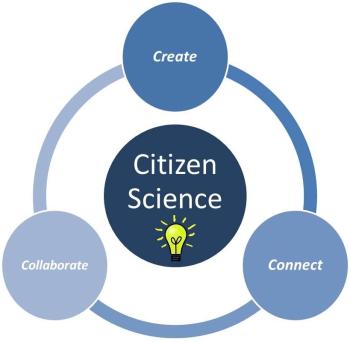
We have known for years that it is you, the public, that are usually the first to find unwanted pests. Your involvement is vital in our survey work!